
 Deutsch
 Türkçe

Dupuytren’s Disease
Dupuytren's Disease is a chronic hand disease that may cause finger bending, stiffness, and difficulty straightening the fingers due to thickening of the connective tissue in the palm. It usually affects the ring finger and little finger; in later stages, it may make it difficult to place the hand completely flat on a surface and perform daily gripping movements.
What Is Dupuytren's Disease?
Dupuytren's Disease is a disease that occurs when the connective tissue in the palm called the palmar fascia thickens and shortens over time. This thickening may initially be felt as small hard areas or nodules in the palm. Over time, these structures may turn into firm bands called cords and cause the fingers to be pulled toward the palm.
The disease does not progress at the same rate in every person. Some patients may have only a feeling of hardness in the palm for years, while others may develop marked bending of the fingers. This condition, which may also be searched for as Morbus Dupuyten, is medically correctly called Dupuytren's Disease. In Istanbul, Turkey, Isabel Zey evaluates the patient's hand function, finger range of motion, and daily life needs together in these complaints.
Treatment Summary
Operation Time
30 - 60 Minutes
Anaesthesia Type
Local Anesthesia
Hospital Stay
No Hospital Stay Required
Return to Work
1 - 2 Weeks
Warranty Type
Recurrence Management Guarantee
Accommodation
Hotel
VIP Transfer
Available
What Are the Symptoms of Dupuytren’s Disease?
Symptoms of Dupuytren’s Disease generally develop slowly. Pain may not be prominent in the early period. The patient often notices a small hardness in the palm, thickening under the skin, or mild limitation of finger movement. As the disease progresses, the fingers may not be able to straighten completely.
- A feeling of hardness or a nodule in the palm
- Puckering or dimpling of the skin of the palm
- Bending of the ring finger or little finger
- Difficulty fully straightening the fingers
- Inability to place the hand completely flat on a surface
- Difficulty with gripping and handshaking movements
- Restriction of hand use in daily tasks
- Restriction of movement in more than one finger
Because Dupuytren’s Disease often progresses without pain, patients may delay seeking care. However, as finger bending increases, treatment options may become different. Therefore, evaluation at an early stage is important for understanding the level of the disease.
What Causes Dupuytren’s Disease?
The exact cause of Dupuytren’s Disease may not always be clearly determined. Genetic predisposition may play an important role in the process of thickening and shortening that develops in the connective tissue of the palm. In addition, age, sex, certain systemic diseases, and lifestyle habits are also considered among the risk factors.
- A family history of Dupuytren’s Disease
- Advanced age
- Male sex
- Metabolic diseases such as diabetes
- Hand trauma or intensive use of the hand
- Lifestyle factors such as smoking and alcohol use
- Individual predisposition related to connective tissue structure
The presence of one of these factors does not mean that the person will necessarily develop Dupuytren’s Disease. Likewise, the disease may also occur in people without any obvious risk factors. Therefore, individualized evaluation is important during diagnosis and follow-up.
Who Is More Commonly Affected by Dupuytren’s Disease?
Dupuytren’s Disease is generally more common in middle-aged and older people. It may follow a more pronounced course in men than in women. Risk may increase in people with a family history. Certain systemic diseases such as diabetes, conditions affecting connective tissue, and occupational activities that place prolonged strain on the hand should also be taken into account during evaluation.
The disease most commonly affects the ring finger and little finger. However, changes may also occur around the middle finger or thumb. It may start in one hand and later appear in the other hand as well. Therefore, functional evaluation should be performed not only for the symptomatic hand but for both hands.
How Is Dupuytren’s Disease Diagnosed?
Diagnosis of Dupuytren’s Disease is generally made by listening to the patient’s complaints and examining the hand. Nodules in the palm, firm bands, skin puckering, and the degree to which the fingers can straighten are evaluated. The patient may be asked to place the hand on a flat surface to check whether the fingers can make full contact with the surface.
During examination, the range of motion of the finger joints and degree of bending may be measured. This measurement may guide follow-up of the disease and the treatment decision. When necessary, additional tests may be requested to distinguish other hand problems; however, in many patients the diagnosis may be clarified through clinical evaluation.
Dupuytren’s Disease should not be confused with trigger finger, tendon injuries, osteoarthritis, or nerve compression. Because the treatment approach differs for each disease, an accurate differential diagnosis is important.
How Is Dupuytren’s Disease Treatment Planned?
Treatment of Dupuytren’s Disease is planned according to the stage of the disease, degree of finger bending, how much hand function is affected, and the patient’s daily life needs. Surgery is not immediately necessary for every hardness in the palm. Follow-up and functional evaluation may be sufficient in the early stage.
The main aim of treatment is to preserve or increase finger range of motion as much as possible, improve hand use, and make daily activities more comfortable. Because the disease may have a tendency to recur, the treatment plan should be created with realistic expectations.
Follow-Up and Early-Stage Approach
If there is no significant bending of the fingers and only a nodule or mild hardness in the palm, regular follow-up may be recommended. During this period, it is important for the patient to monitor hand function, notice changes in the degree of finger extension, and seek reevaluation if progression occurs.
- Monitoring hardness in the palm
- Observing the degree of finger extension
- Evaluating movements that strain hand function
- Regular specialist follow-up
- Monitoring whether there is difficulty in daily activities
Conscious follow-up in the early stage helps understand the rate at which the disease progresses. It is not recommended for the patient to perform forceful stretching movements on their own or apply intense pressure to firm bands; such practices should not be done without specialist advice.
Non-Surgical Treatment Options
Non-surgical methods may be considered in selected patients. Suitability of these methods should be determined according to the degree of finger bending, the structure of nodules and cords, the patient’s general health status, and expectations. The same method may not be suitable for every patient.
Non-surgical options may be considered at some stages of the disease to support hand function. However, because Dupuytren’s Disease is a chronic condition affecting connective tissue, the process, possible risk of recurrence, and need for follow-up should be explained clearly to the patient.
When Is Dupuytren’s Disease Surgery Necessary?
If finger bending affects daily life, if the hand cannot be placed flat on a surface, or if gripping and hand use become difficult, surgical treatment may be considered. The aim of surgery is to appropriately release or remove the thickened connective tissue structures that bend the finger.
The surgical decision should be individualized. The severity of the disease, which fingers are affected, whether there is joint stiffness, the person’s occupation, need to use the hand, and general health status are evaluated together. Isabel Zey attaches importance to explaining treatment options to the patient clearly so that the decision-making process proceeds in an informed manner.
Process After Dupuytren’s Disease Treatment
The process after treatment for Dupuytren’s Disease may vary according to the method used. After non-surgical procedures, protecting the hand and following the follow-up plan are important. After surgical treatment, dressing changes, wound care, protecting the hand in an appropriate position, and hand therapy if necessary may be important parts of the process.
Recovery time may vary according to the severity of the disease and the treatment used. In fingers that have remained bent for a long time, recovery of range of motion may take longer. Therefore, it is important for the patient to follow post-treatment recommendations and not miss follow-up appointments.
Can Dupuytren’s Disease Recur?
Dupuytren’s Disease is a disease that may have a tendency to recur. Even if finger movement is improved with treatment, thickening of connective tissue may develop again over time in the same hand or in different fingers. This does not mean that the treatment has failed; it may be considered part of the natural course of the disease.
Knowing the risk of recurrence and need for follow-up before the procedure helps the patient develop realistic expectations. Therefore, not only the current problem but also the long-term follow-up plan is important during the treatment process.
What Should Be Considered in Daily Life?
It is important for people with complaints of Dupuytren’s Disease to act consciously to preserve hand function. Although there is no single lifestyle habit proven to completely prevent the disease, protecting the hand from unnecessary trauma and monitoring changes may be beneficial.
- Monitoring hardness and puckering in the palm
- Observing changes in the degree of finger extension
- Seeking evaluation when hand function decreases
- Avoiding repetitive pressure on the hand
- Not applying forceful manipulation to firm bands without specialist advice
- Not missing follow-up appointments
Because the course of the disease varies from person to person, regular follow-up and accurate information contribute to a healthier treatment process.
Dupuytren’s Disease Evaluation in Istanbul, Turkey
For patients applying with complaints of Dupuytren’s Disease in Istanbul, Turkey, detailed hand examination, evaluation of range of motion, and individualized treatment planning are important. Isabel Zey considers complaints such as hardness in the palm, finger bending, and loss of hand function together with the patient’s daily life needs.
Patient information is a fundamental part of a reassuring approach in the treatment process for Dupuytren’s Disease. When the chronic nature of the disease, need for follow-up, treatment options, and possible risk of recurrence are explained clearly, the patient can participate in the decision-making process more consciously.
Frequently Asked Questions About Dupuytren's Disease
Call us or fill in the form below and we will get back to you as soon as possible.
You can reach us by filling in
the preliminary request form.


In Which Situations Is Scoliosis Treatment Considered? Scoliosis Treatment may be considered becaus..
Read more
In Which Situations Is Stem Cell Treatment in Orthopedics Considered? Stem Cell Treatment in Orthop..
Read more
In Which Situations Is Stem Cell + Exosome Treatment in Orthopedics Considered? Stem Cell + Exosome..
Read more
In Which Situations Is Anterior Cruciate Ligament (ACL) Surgery Considered? Anterior Cruciate Ligam..
Read more
In Which Situations Is Spine Surgery Considered? Spine Surgery may be considered because of differe..
Read more
In Which Situations Is Meniscus Treatment Considered? Meniscus Treatment may be considered because ..
Read more
In Which Situations Is Hip Replacement Considered? Hip Replacement may be considered because of dif..
Read more
In Which Situations Is Hip Arthroscopy Considered? Hip Arthroscopy may be considered because of dif..
Read more
In Which Situations Is Knee Replacement Considered? Knee Replacement may be considered because of d..
Read more
In Which Situations Is Knee Arthroscopy Considered? Knee Arthroscopy may be considered because of d..
Read more
In Which Situations Is Limb Lengthening Surgery Considered? Limb Lengthening Surgery may be conside..
Read more
What Are the Symptoms of Dupuytren's Disease? Symptoms of Dupuytren's Disease generally develop slo..
Read more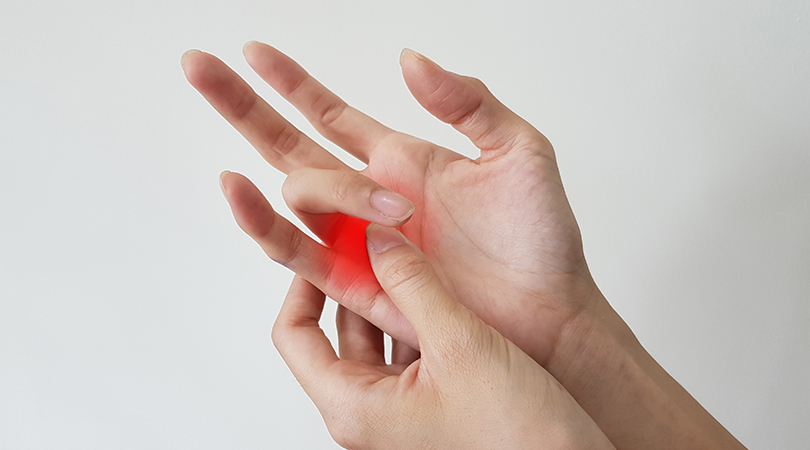
What Are the Symptoms of Trigger Finger? Symptoms of Trigger Finger may be mild at first and may be..
Read more
What Are the Symptoms of Carpal Tunnel Syndrome? Symptoms of Carpal Tunnel Syndrome often begin gra..
Read more
We had been struggling with a skin pigmentation problem for a long time and were unable to achieve the desired results. We found Ms. İsabel through In..
They completely transformed my tattoo-like eyebrows and made them look perfectly clean. Every procedure they perform is of high quality and beneficial..
I never expected to achieve such effective results from the very first session. Ms. Yeter truly does her job very well. She is both very attentive and..
I have been visiting them regularly once a month since their location in Nişantaşı, and sometimes even more often :) They offer treatment options acco..
I have been visiting İsabel Zey for approximately 2 years. They are very meticulous, attentive, and friendly. It is definitely a location I can recomm..
Hello, I am extremely satisfied with Ms. Yağmur. I am very pleased with her attention, care, and dedication. I am also very happy to have met her for ..
Ms. Yağmur accompanies me during my face and neck Q-Switch appointments and always provides recommendations regarding my skin and hair needs. She is s..
I can describe this clinic not as a commercial business, but as one of the rare places that truly values people. The entire team, especially Ms. İsabe..
I wanted to have Q-Switch laser treatment, but I was worried because my skin is very sensitive. I did a lot of research and came to İsabel Zey upon a ..
Let’s not simply refer to it as laser hair removal; the quality of the device and the person performing the procedure are extremely important. Ms. Hil..