
 Deutsch
 Türkçe

Hair Transplant
What Is Hair Transplant?
Hair Transplant is a surgical procedure based on taking hair follicles from one area and placing them in sparse or bald areas in people experiencing hair loss. The donor area is generally selected from regions more resistant to hair loss, such as the nape and around the ears. The extracted follicles are placed in the required areas at appropriate angles, directions, and densities.
Hair Transplant is the process of transplanting healthy hair follicles taken from the donor area to areas where they are needed in people experiencing hair loss or thinning. The aim is to plan a natural-looking hairline and density by taking the person's baldness pattern, donor capacity, and facial proportions into account.
Treatment Summary
Operation Time
6–8 Hours
Anaesthesia Type
Local Anesthesia
Hospital Stay
No Hospital Stay Required
Return to Work
2–3 Days
Warranty Type
Medical Revision Guarantee
Accommodation
Hotel
VIP Transfer
Available
Hair Transplant is not simply a procedure for covering bald areas. For a natural appearance, hairline design, facial proportions, age, type of hair loss, hair-shaft thickness, donor-area density, and the patient’s expectations should be evaluated together. In Istanbul, Turkey, Isabel Zey prioritizes an individualized approach and patient information in Hair Transplant planning.
Who Is Hair Transplant Suitable For?
Hair Transplant may be considered for people whose hair loss has become permanent and who have an adequate donor area. However, not every person experiencing hair loss may be a suitable candidate for the procedure. The cause of hair loss, rate of progression, age, general health status, and expectations are important in the decision.
- People experiencing male-pattern hair loss
- Suitable candidates with a receding hairline
- People with thinning in the crown area
- People with hair loss due to trauma or scars
- Those who have previously undergone a hair transplant and want to increase density
- People with sufficient donor area density
- Patients with realistic expectations
If active hair loss is progressing very rapidly, the donor area is insufficient, or an underlying medical problem is not under control, additional evaluation may be required before the procedure. The decision for Hair Transplant should be made not only according to the size of the bald area but also according to long-term hair planning.
What Causes Hair Loss?
Hair loss can develop for different reasons such as genetic predisposition, hormonal factors, stress, nutritional deficiencies, certain diseases, medication use, or scalp problems. Male pattern hair loss is one of the most common types of permanent hair loss. In women, causes such as diffuse thinning, hormonal changes, and iron deficiency may be more prominent.
- Genetic predisposition
- Hormonal changes
- Stress and lifestyle factors
- Iron, B12, vitamin D, and zinc deficiencies
- Thyroid diseases
- Scalp diseases
- Trauma, burn, or surgical scars
- Certain medications or medical treatments
Before Hair Transplant is planned, the cause of hair loss and the current activity of the hair loss should be evaluated. Some types of hair loss may first require medical treatment or monitoring. A transplant performed at an inappropriate time may be inadequate in terms of long-term planning.
Evaluation Before Hair Transplant
Evaluation before Hair Transplant is the foundation of successful planning. The patient’s type of hair loss, degree of baldness, donor area density, hair shaft thickness, hair color, and skin contrast are examined. It is also determined whether the patient has previously undergone a hair transplant or hair treatment.
Hairline design is especially important at this stage. A hairline planned too far forward or in a way that is not appropriate for the patient’s age may not look natural. The hairline should be compatible with the person’s facial proportions, forehead width, age, and existing hair structure. A natural appearance is usually achieved through balanced, understated, and long-term planning.
During Hair Transplant evaluation in Istanbul, Türkiye, Isabel Zey listens to the patient’s expectations and provides clear information about feasible limits. Protecting the donor area and taking the possibility of future hair loss into account are important.
What Are the Methods of Hair Transplant?
Different techniques can be used in Hair Transplant procedures. The preferred method should be determined according to the patient’s hair structure, the size of the bald area, donor capacity, and planned density. Correct planning and application are as important to the outcome as the name of the method.
FUE Hair Transplant
In the FUE technique, hair follicles are extracted individually from the donor area and placed into the opened channels. A natural appearance can be targeted when the hairline, direction, and density are planned correctly. Balanced use of the donor area is important.
DHI Hair Transplant
In the DHI technique, hair follicles can be placed using special implanter pens. In some patients, this allows the channel-opening and follicle-placement process to be planned differently. However, it may not be the most appropriate method for every patient. Suitability should be determined after evaluation.
Sapphire FUE Hair Transplant
Sapphire FUE is a technique in which sapphire tips are used during the channel-opening stage. Channel planning, hair direction, and density distribution remain key factors in the success of the procedure. The technique should be selected individually.
How Is Hair Transplant Performed?
The Hair Transplant process generally consists of preparing the donor area, extracting the follicles, planning the transplant area, and placing the follicles. The procedure can be performed under local anesthesia. The duration of the transplant may vary depending on the number of grafts and the technique used.
Placing the follicles at the correct angle and direction is critically important for a natural appearance. Thinner, single-hair follicles are generally preferred for the frontal hairline, while density planning may differ in the areas behind it. The goal is not simply to transplant a large number of follicles, but to use the available donor capacity in the most efficient and balanced way.
Process After Hair Transplant
In the first days after Hair Transplant, redness, crusting, tenderness, or mild swelling may occur in the transplant and donor areas. Following the care instructions provided during this period is important for protecting the follicles. Specialist recommendations regarding the first wash, sleeping position, exercise, sun exposure, and hat use should be followed.
- The transplanted area should not be touched during the first days.
- Crusts should not be picked.
- The recommended washing plan should be followed.
- Intense exercise and sweating should be postponed for a period.
- Sun exposure should be avoided.
- Care should be taken regarding smoking and alcohol use.
- Follow-up appointments should not be missed.
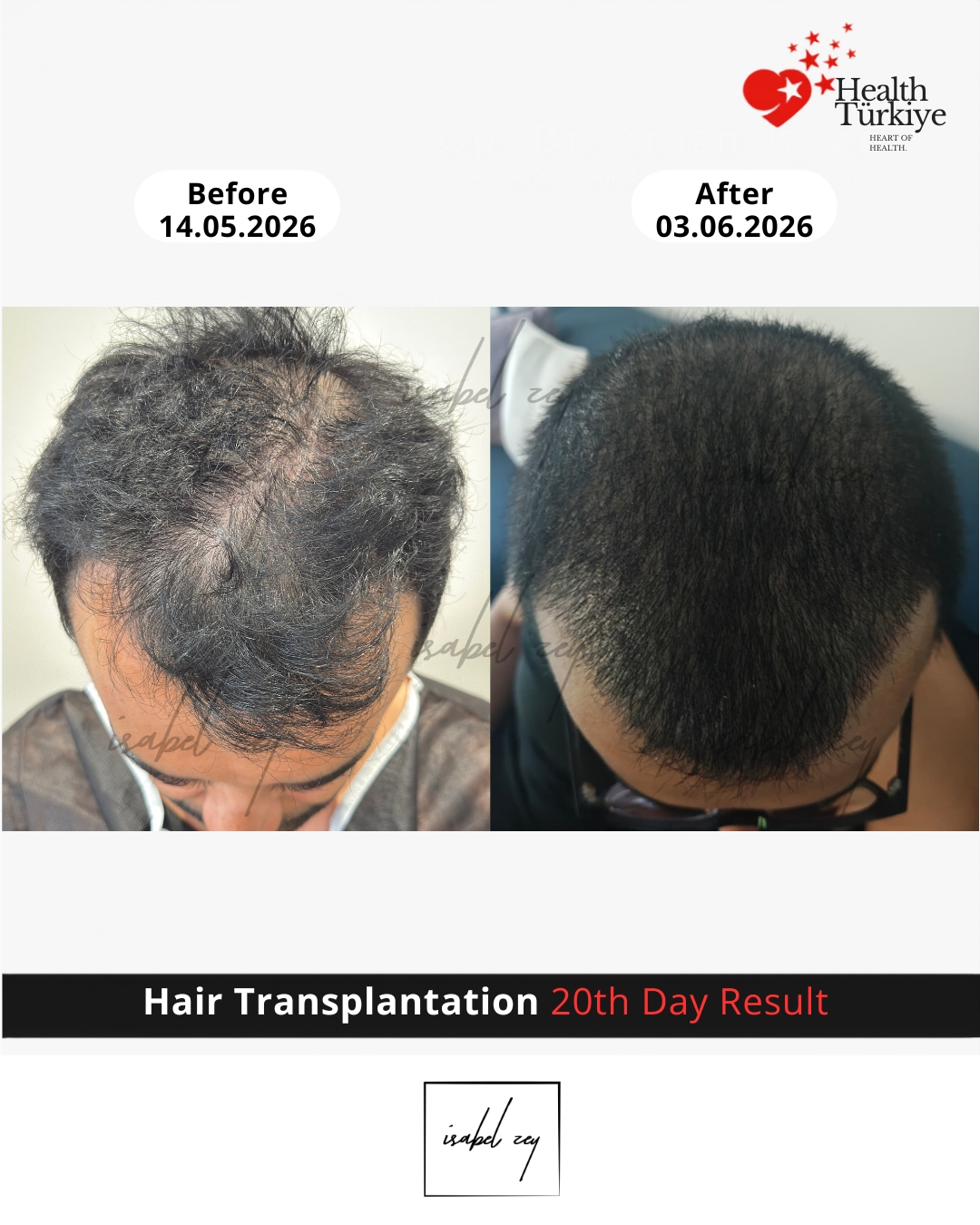
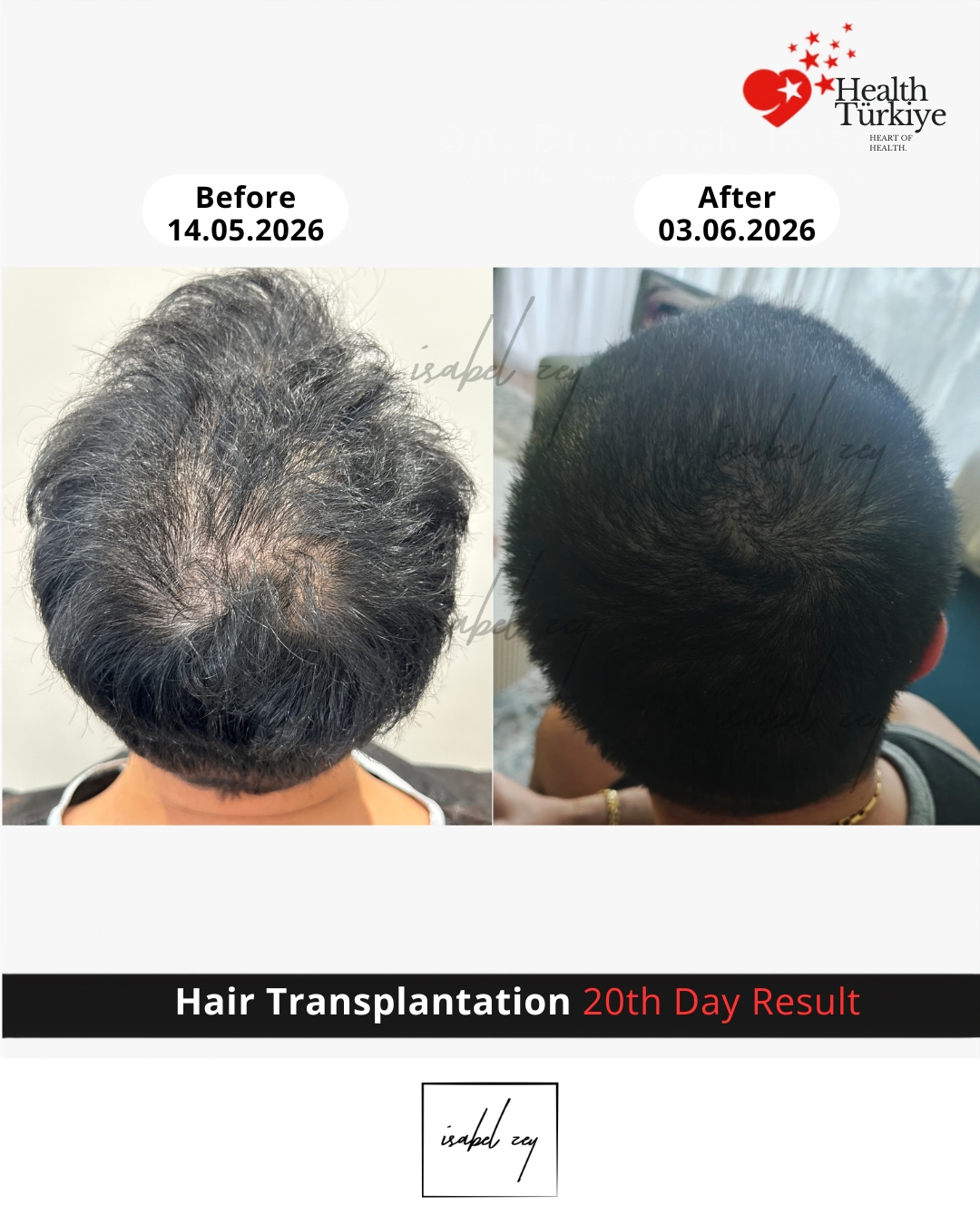
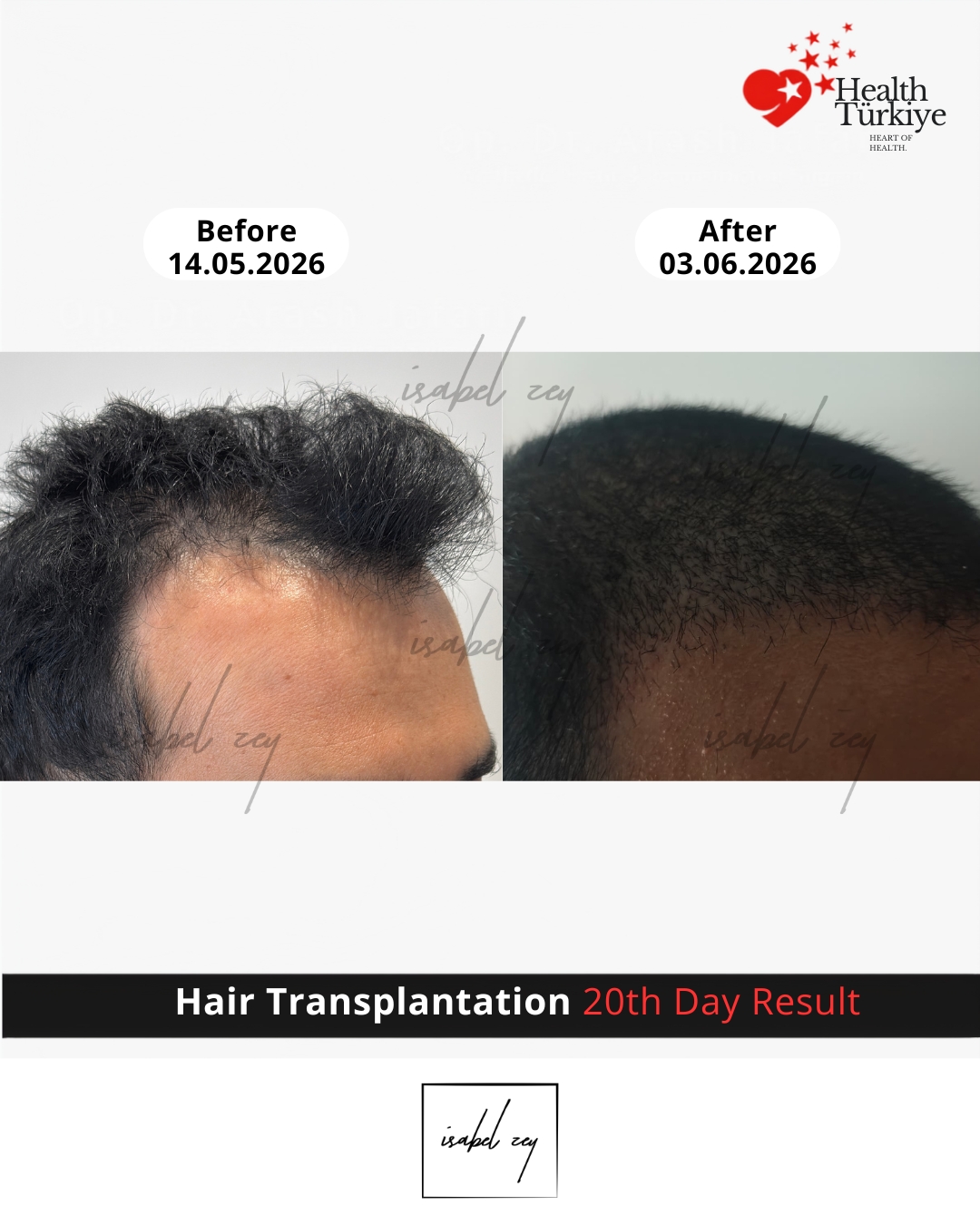
Temporary shedding of the transplanted hair may occur after the first few weeks. This is known as shock loss and can be one of the expected stages of the hair transplant process. New hair growth begins over time, and density gradually increases.
When Are the Results of Hair Transplant Seen?
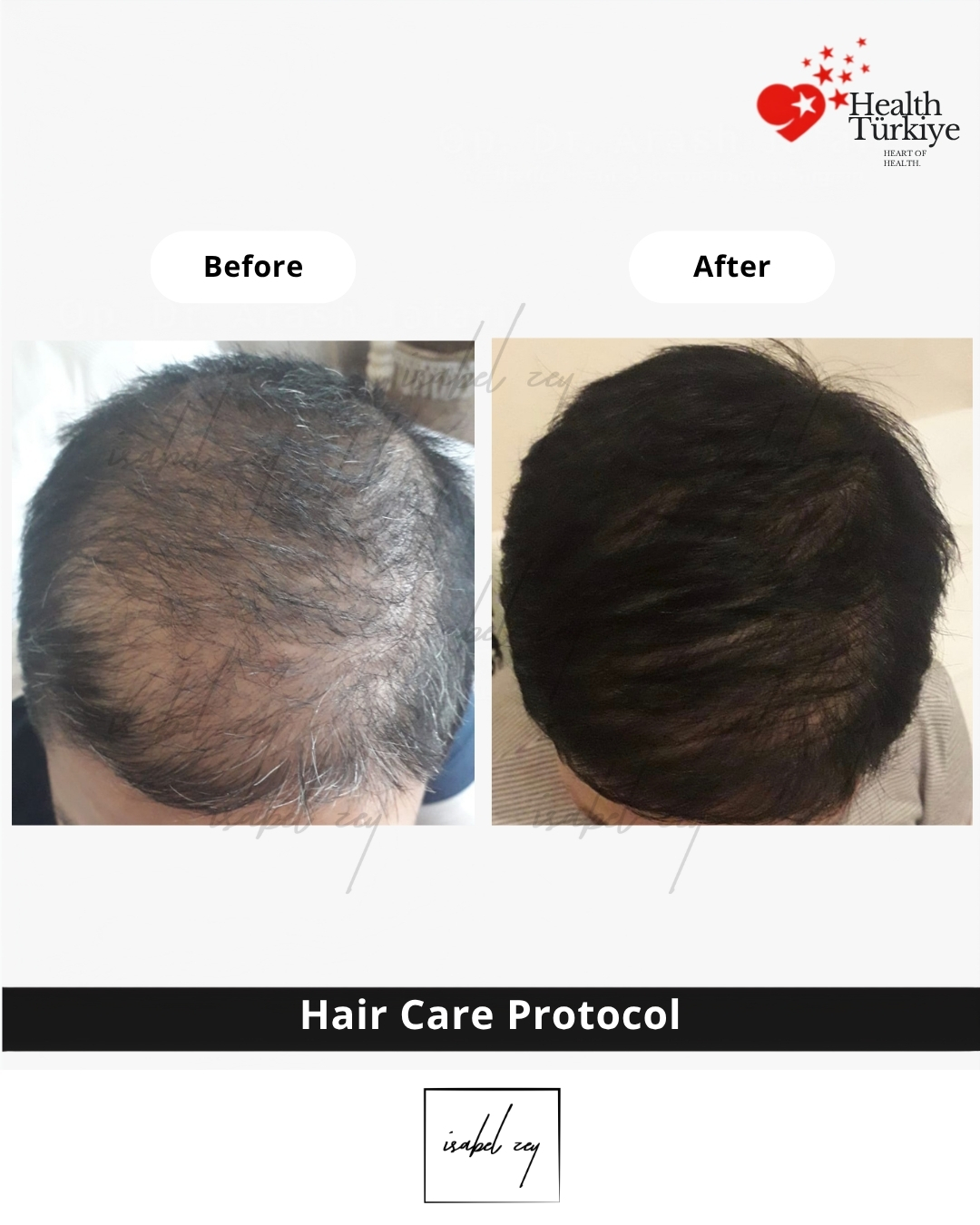
The results of Hair Transplant do not take their final form immediately. Crusting and redness decrease during the initial period, after which temporary shedding may occur. New hair growth begins to become noticeable within a few months. It takes time for density to increase and for the hair to develop a more natural form. The final appearance may vary according to the individual’s healing process, donor area quality, and the survival of the transplanted follicles.
It is important to be patient and follow specialist recommendations during this process. Care after Hair Transplant is as valuable as the procedure itself for the healthy development of the results.
Does Hair Transplant Have Risks?
Hair Transplant is a medical procedure and should be planned for suitable candidates. As with any procedure, there may be risks such as infection, bleeding, swelling, crusting, thinning in the donor area, variation in follicle survival rates, or an outcome that differs from expectations. Detailed information should therefore be provided before the procedure.
Statements such as guaranteed results, guaranteed density, or the same success rate for everyone are not accurate. The outcome varies according to the person’s hair structure, donor area, skin characteristics, age, type of hair loss, and aftercare process.
Hair Transplant Evaluation in Istanbul, Turkey
For people considering Hair Transplant in Istanbul, Türkiye, proper planning is important for a natural appearance and long-term hair management. Isabel Zey provides an informative process by evaluating the type of hair loss, donor area adequacy, hairline design, and the patient’s expectations together.
Patient information helps the Hair Transplant process progress safely. Knowing what to expect before and after the procedure, understanding that the results develop over time, and following care recommendations positively affect the treatment experience.
Frequently Asked Questions About Hair Transplant
Before & After
Call us or fill in the form below and we will get back to you as soon as possible.
You can reach us by filling in
the preliminary request form.



For What Purposes Is Hair PRP Treatment Performed? The Hair PRP Treatment procedure may be planned ..
Read more
For What Purposes Is Hair Mesotherapy Performed? The Hair Mesotherapy procedure may be planned for ..
Read more
Beard Transplant is not performed only to fill empty areas. In some people, it may also be considere..
Read more
Hair Transplant is not simply a procedure for covering bald areas. For a natural appearance, hairlin..
Read more
Eyebrow Transplant is not simply a procedure for filling gaps. For a natural appearance, the startin..
Read more
We had been struggling with a skin pigmentation problem for a long time and were unable to achieve the desired results. We found Ms. İsabel through In..
They completely transformed my tattoo-like eyebrows and made them look perfectly clean. Every procedure they perform is of high quality and beneficial..
I never expected to achieve such effective results from the very first session. Ms. Yeter truly does her job very well. She is both very attentive and..
I have been visiting them regularly once a month since their location in Nişantaşı, and sometimes even more often :) They offer treatment options acco..
I have been visiting İsabel Zey for approximately 2 years. They are very meticulous, attentive, and friendly. It is definitely a location I can recomm..
Hello, I am extremely satisfied with Ms. Yağmur. I am very pleased with her attention, care, and dedication. I am also very happy to have met her for ..
Ms. Yağmur accompanies me during my face and neck Q-Switch appointments and always provides recommendations regarding my skin and hair needs. She is s..
I can describe this clinic not as a commercial business, but as one of the rare places that truly values people. The entire team, especially Ms. İsabe..
I wanted to have Q-Switch laser treatment, but I was worried because my skin is very sensitive. I did a lot of research and came to İsabel Zey upon a ..
Let’s not simply refer to it as laser hair removal; the quality of the device and the person performing the procedure are extremely important. Ms. Hil..